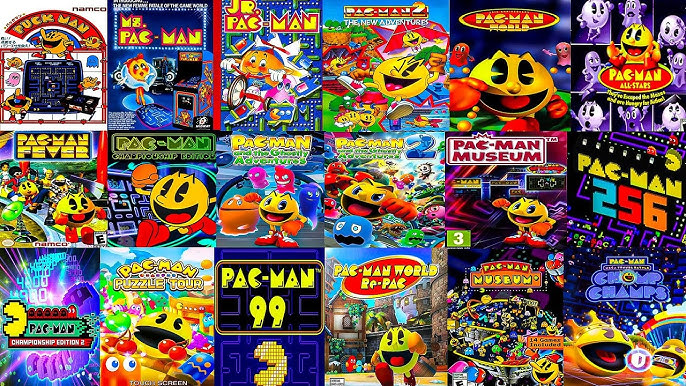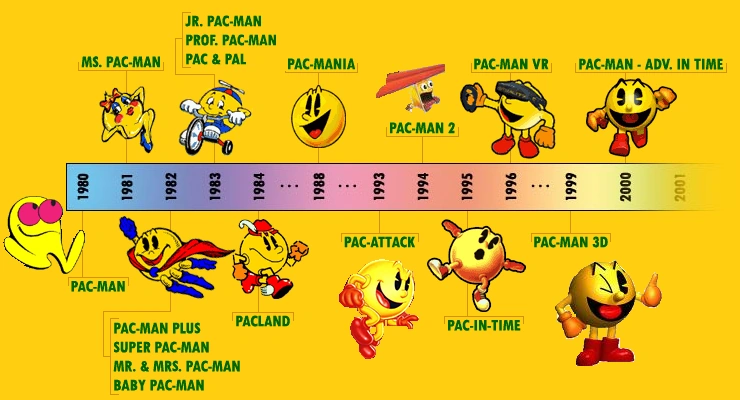
In May 1980, the arcade world changed forever when Namco introduced a maze-chase game featuring a bright yellow circle with a mouth: Pac-Man. Encyclopedia Britannica+2Wikipedia+2 Over the next three decades this seemingly simple game expanded into a global phenomenon-spawning countless spin-offs, merchandise, media tie-ins, and anniversary celebrations.
One of the most iconic of those was the 30th-anniversary milestone in 2010. This article Evolution of Pac-Man from its arcade roots through its cultural ascendance up to the 30th anniversary, highlighting major milestones and enduring legacy.
A Yellow Icon Is Born
In the spring of 1980, the world met a hungry yellow circle with a mouth. His mission was simple: eat everything in sight while avoiding ghosts. Yet, that simple premise changed video games forever.
When Namco released Pac-Man (originally “Puck Man”) in Japan, the gaming world was dominated by shooters like Space Invaders and Asteroids. Most titles targeted young men, featuring spaceships, explosions, and score counters.
But Toru Iwatani – a designer at Namco – wanted something different. He wanted a game for everyone: light-hearted, colorful, and instantly understandable.
He found inspiration in the most ordinary of places – a pizza. After removing one slice, he looked at the circle and thought: That’s it. The mouth shape became Pac-Man’s defining feature, and the idea of “eating” formed the entire game’s concept.
Pac-Man wasn’t just another arcade game – it was a revolution. And its journey from the buzzing arcades of 1980 to its 30th-anniversary celebration in 2010 tells the story of how a simple character became a global cultural icon.
1. 1980–1982: The Arcade Revolution
When Pac-Man debuted in Japanese arcades on May 22, 1980, it immediately stood out. There were no spaceships, no guns, no aliens — only bright mazes, cute ghosts, and the rhythmic chomp of the yellow protagonist.
Gameplay Simplicity
The player guided Pac-Man through a maze filled with dots (“pellets”), eating them all while avoiding four colorful ghosts- Blinky, Pinky, Inky, and Clyde.
Each ghost had its own unique behavior, creating a mix of strategy and reflex.
The introduction of “power pellets”, which temporarily allowed Pac-Man to eat the ghosts, gave players a sense of power and balance that was rare in early gaming.
Cultural Explosion
Pac-Man was the first arcade game to attract a massive female audience. The game’s friendly design, bright colors, and accessible gameplay made it universally appealing.
By 1981, Pac-Man had become the most successful arcade game in history, with over 100,000 arcade cabinets sold in the U.S. alone. It was estimated to have been played over one billion times per year during the early 1980s.
1982–1984: The Franchise Expands
Success breeds sequels – and Namco wasted no time expanding the Pac-Man universe.
Ms. Pac-Man (1982)
Developed originally by a U.S. group called General Computer Corporation (and later licensed by Midway), Ms. Pac-Man introduced a female protagonist, moving mazes, and smarter ghost AI.
It was a critical and commercial success, often considered superior to the original.
Pac-Man Fever
By 1982, Pac-Man Fever was everywhere – literally.
There was a hit pop song (“Pac-Man Fever” by Buckner & Garcia), a Saturday morning animated TV series produced by Hanna-Barbera, and a flood of merchandise: T-shirts, lunchboxes, puzzles, and even breakfast cereal.
Pac-Man wasn’t just a video game character – he was the first true gaming celebrity.
1985-1999: Reinvention and Adaptation
The mid-1980s brought a crash to the arcade industry, and Pac-Man had to evolve to survive.
Super Pac-Man and Pac-Mania
Namco experimented with new formats:
- Super Pac-Man (1982) added larger mazes and keys.
- Pac-Mania (1987) introduced an isometric 3D perspective and a new “jump” mechanic.
Although these sequels didn’t reach the original’s success, they showed Namco’s willingness to experiment.
The Console Era
As home gaming consoles like the Atari 2600, NES, and Sega Genesis rose, Pac-Man found new life in people’s living rooms.
The Atari 2600 version (1982) was infamous for its poor quality – rushed to market, it disappointed fans. But later ports redeemed the brand, ensuring Pac-Man remained relevant in the growing console world.
Pac-Man’s Multimedia Life
During the 1990s, Pac-Man appeared in everything from cartoons to handheld games and educational software. He even starred in Pac-Man 2: The New Adventures (1994), a quirky point-and-click adventure that added narrative depth to the character.
2000–2010: From Classic to Timeless
By the early 2000s, nostalgia began to fuel a resurgence of interest in retro games. Pac-Man, already a symbol of gaming’s golden age, benefited enormously.
Pac-Man World Series
Namco revitalized the brand with Pac-Man World (1999–2005), a 3D platforming series for PlayStation and GameCube. It merged nostalgia with modern gameplay, introducing Pac-Man to a new generation of players.
Mobile and Digital Revival
With the rise of mobile phones and early digital downloads, Pac-Man found a home on every platform imaginable. From Java-based flip phones to Xbox Live Arcade, the yellow icon’s presence was inescapable.
Pac-Man wasn’t just a game anymore – it was a legacy brand.
The 30th Anniversary (2010): A Digital Celebration
The year 2010 marked a monumental milestone: Pac-Man’s 30th birthday.
The Google Doodle That Stopped the World
On May 21, 2010, Google surprised the world with its first-ever interactive Google Doodle. The homepage logo transformed into a fully playable Pac-Man maze, complete with sound, ghosts, and authentic gameplay.
It was more than a nostalgic nod – it was a viral sensation. Millions of users spent hours playing the doodle, costing (by some estimates) millions in workplace productivity that day.
The event reintroduced Pac-Man to younger audiences and reminded older fans of why they fell in love with it.
Official Namco Celebrations
Namco (by then Namco Bandai) released the Pac-Man 30th Anniversary Collection, featuring remastered versions and memorabilia. They also launched Pac-Man Championship Edition DX, a reimagined, hyper-fast version of the classic – acclaimed for blending nostalgia with modern speed.
Pop-Cultural Resonance
2010 also saw Pac-Man parodied and honored across media:
- Featured in TV shows like Family Guy and The Big Bang Theory.
- Referenced in music videos and fan tributes.
- Displayed in museums as an artifact of early digital culture.
Pac-Man had gone from a coin-operated machine to a symbol of digital history.
The Lessons Behind 30 Years of Pac-Man
Pac-Man’s endurance is not luck. It’s a testament to timeless design, emotional simplicity, and universal accessibility.
A Game That Anyone Can Play
From its inception, Pac-Man’s core idea was inclusivity — anyone, regardless of age or gender, could play and understand it instantly.
That universal simplicity became a blueprint for future casual and mobile games.
Character First
Pac-Man was one of the first games to feature a mascot. Before Mario or Sonic, there was Pac-Man — proving that characters create emotional connections beyond mechanics.
Adaptability
Pac-Man adapted across decades of changing technology:
- From arcade cabinets to consoles,
- From cartridges to digital downloads,
- From standalone games to cultural symbols like Google Doodles.
Merchandising & Transmedia
Pac-Man showed how a game could transcend its medium. He was featured in:
- TV series and music hits.
- Comic books, toys, and collectibles.
- Even academic discussions about media and psychology.
Beyond 2010: Legacy and Ongoing Influence
Even after its 30th anniversary, Pac-Man’s story continued:
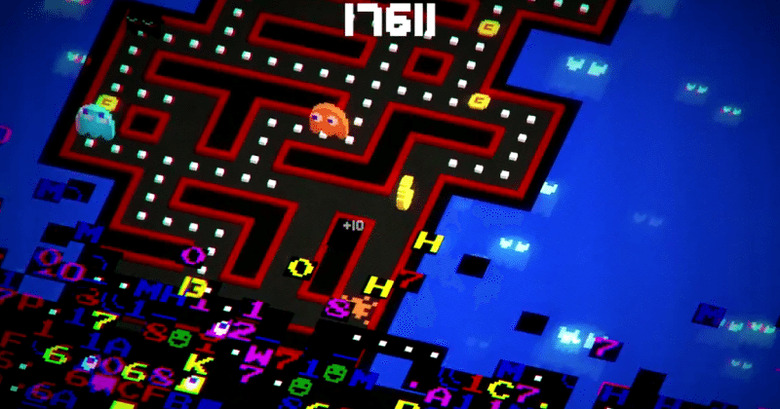
- Pac-Man 256 (2015) paid tribute to the original “kill screen” bug, reimagining it as an infinite runner.
- Pac-Man Museum+ (2022) gathered four decades of titles into one celebration.
- AI Pac-Man demos and VR experiments have shown the character’s adaptability to modern technology.
And, of course, Pac-Man remains a fixture in esports, arcades, and pop culture. The simple sound of that “wakka-wakka” is enough to trigger nostalgia worldwide.
From Arcade Legend to Eternal Icon
Pac-Man began as an idea on a pizza napkin – a yellow circle eating dots. But it became one of humanity’s most recognized symbols of play.
Through every era — from 1980’s neon-lit arcades to 2010’s digital doodles – Pac-Man has proven that simplicity, creativity, and charm never go out of style.
The 30th anniversary didn’t just mark three decades of gaming; it celebrated a cross-generational connection. Pac-Man isn’t just part of video game history — he is video game history.
And as long as players crave the joy of the chase, Pac-Man’s maze will never end.