Few video-game characters are as instantly recognizable as Pac-Man. With his round yellow body and ever-hungry mouth, Pac-Man became a symbol of gaming history – a character so simple, yet so powerful, that he shaped pop culture for decades.
In this article, we’ll explore who Pac-Man is, how his design came to life, his personality, the story behind his creation, and how he evolved from an arcade icon to a global mascot.
Who Is Pac-Man?
Pac-Man is the main character of the Pac-Man video-game series, created by Toru Iwatani and released by Namco (now Bandai Namco) in 1980.
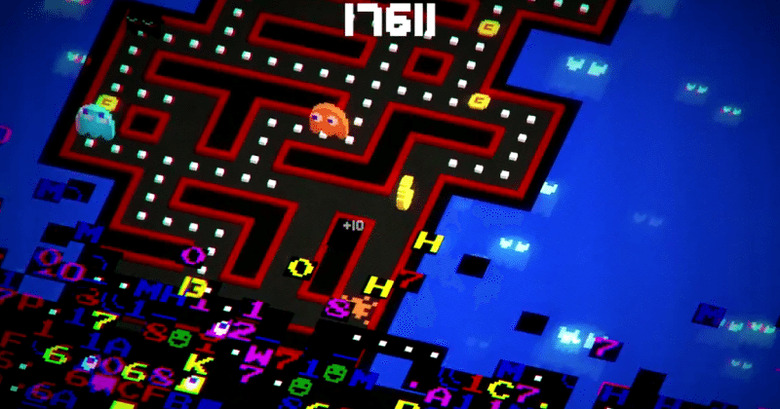
In the original game, Pac-Man’s goal is simple: eat all the pellets in a maze while avoiding colorful ghosts. Yet behind this simple concept lies one of the most influential video-game designs ever created.
Did you know?
The name “Pac-Man” comes from the Japanese word paku-paku, which means “chomp-chomp,” imitating the sound of eating.
Pac-Man Character Overview (Overview)
| Character Trait | Description |
|---|---|
| Name: | Pac-Man |
| Creator: | Toru Iwatani |
| First Appearance: | Pac-Man (1980, Namco) |
| Species: | Yellow circular creature |
| Goal: | Eat dots, avoid ghosts |
| Personality: | Curious, hungry, playful |
| Family: | Ms. Pac-Man, Baby Pac-Man |
| Enemies: | Blinky, Pinky, Inky, Clyde |
Pac-Man doesn’t speak in most games, but his actions – eating pellets, escaping ghosts, and chasing fruit bonuses – communicate curiosity, courage, and persistence.
Pac-Man’s Personality and Traits (Methods)
Though Pac-Man doesn’t talk, his behavior across games and media shows a strong personality.
Curious and Adventurous
Pac-Man constantly explores mazes, looking for every last pellet. This reflects his curiosity and persistence – never giving up even when surrounded by ghosts.
Playful and Optimistic
He bounces back after every defeat, always smiling. His simplicity makes him approachable, like a friend rather than a hero.
Family-Oriented
Over time, Pac-Man got a family – Ms. Pac-Man (his partner) and Baby Pac-Man. This humanized him further, giving players a sense of warmth and relatability
Pac-Man’s Supporting Characters and Ghost Enemies
Pac-Man’s world wouldn’t be complete without his ghostly rivals – each with its own personality and behavior pattern.
| Ghost | Color | Nickname | Behavior |
|---|---|---|---|
| Blinky | Red | “Shadow” | Chases Pac-Man directly |
| Pinky | Pink | “Speedy” | Tries to ambush Pac-Man |
| Inky | Blue | “Bashful” | Unpredictable, random moves |
| Clyde | Orange | “Pokey” | Wanders aimlessly |
Ms. Pac-Man: The Evolution of a Character
In 1982, Ms. Pac-Man was introduced – a faster, more dynamic version of the original game with multiple mazes. She became one of gaming’s first female protagonists.
Ms. Pac-Man’s popularity even surpassed the original for a time, cementing the Pac-Family as one of gaming’s most recognized brands.
The Evolution of the Pac-Man Character Design
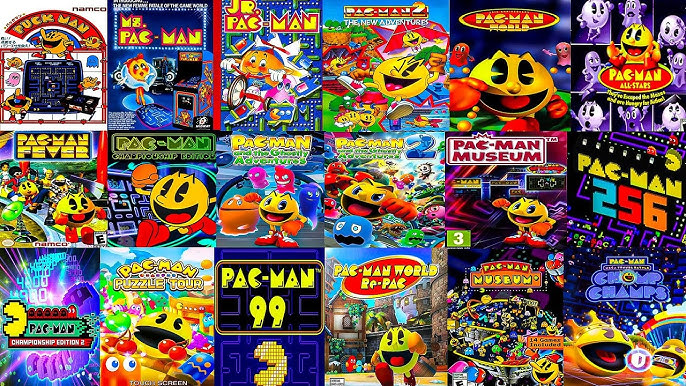
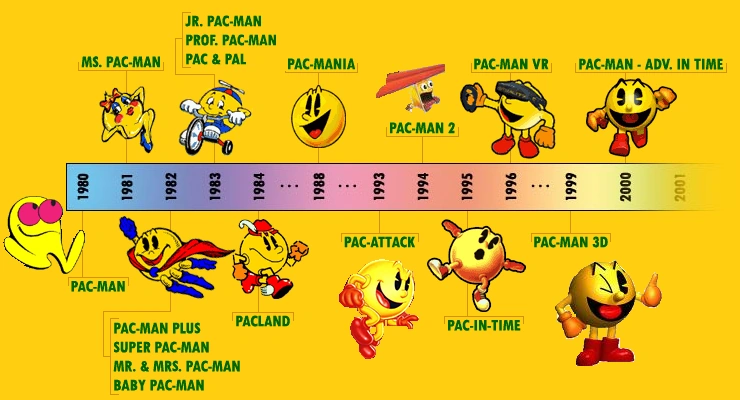
Pac-Man’s design has evolved across generations – from 8-bit simplicity to high-definition 3D animations.
| Era | Design Style | Key Appearance |
|---|---|---|
| 1980s | 2D yellow circle with wedge mouth | Classic Arcade |
| 1990s | 3D body, arms, and legs added | Pac-Man World series |
| 2000s | Cartoon character with personality | Pac-Man & the Ghostly Adventures |
| 2020s | Modernized 3D model, nostalgic tone | Pac-Man Museum+, Super Smash Bros. |
Each redesign keeps his core traits – yellow color, big smile, and insatiable appetite – making him instantly recognizable across generations.
Pac-Man in Pop Culture
Pac-Man is not just a game character — he’s a pop-culture icon.
- Featured in movies like Pixels (2015) and Wreck-It Ralph
- Appeared in TV shows, cartoons, and merchandise
- Used as a symbol of the 1980s tech boom
- Included in Super Smash Bros. and Fortnite collaborations
Pac-Man became the first gaming character with universal recognition, paving the way for icons like Mario, Sonic, and Pikachu.
Pac-Man’s Legacy and Modern Appearances (Outcome)
Over 40 years later, Pac-Man remains the face of retro gaming. His character continues to appear in:
- Pac-Man Museum+ (2022)
- Super Smash Bros. Ultimate (Nintendo Switch)
- Mobile games & Google Doodles
- Limited-edition consoles and merch
Pac-Man represents the spirit of early gaming – fun, universal, and timeless. He’s not just a character; he’s a symbol of joy and nostalgia.
Frequently Asked Questions
Q1: Who created the Pac-Man character?
Toru Iwatani created Pac-Man for Namco in 1980.
Q2: Why is he called Pac-Man?
The name comes from paku-paku, a Japanese term that mimics the sound of eating.
Q3: Does Pac-Man have a family?
Yes — Ms. Pac-Man is his partner, and they have Baby Pac-Man in later games.
Q4: What do the ghosts in Pac-Man represent?
Each ghost represents a personality – aggression, speed, randomness, and confusion – designed to challenge players differently.
Q5: What makes Pac-Man so famous?
Its simplicity, universal theme of eating and survival, and cultural timing made Pac-Man one of the most successful characters ever.